I attended this conference for the first time on the advice of Dr. Iwai. It was a life-changing experience and has strongly influenced my attitude toward metal research.
The title of my presentation was “Association between serum mercury and insulin resistance among Japanese adults.” This presentation is rate among studies in humans because participants of this conference are mainly researcher of experimental studies. I received several comments and suggestins after the presentation, including the rationale for using serum samples as an exposure marker and concerns about the validity of serum mercury measurements. At epidemiological conferences that I usually attend, it is uncommon to receive questions about analytical methods or the validity of biological specimens for exposure assessment. After attending this conference, I became more thoughtful about how biomarkers should be selected and how exposures should be measured.
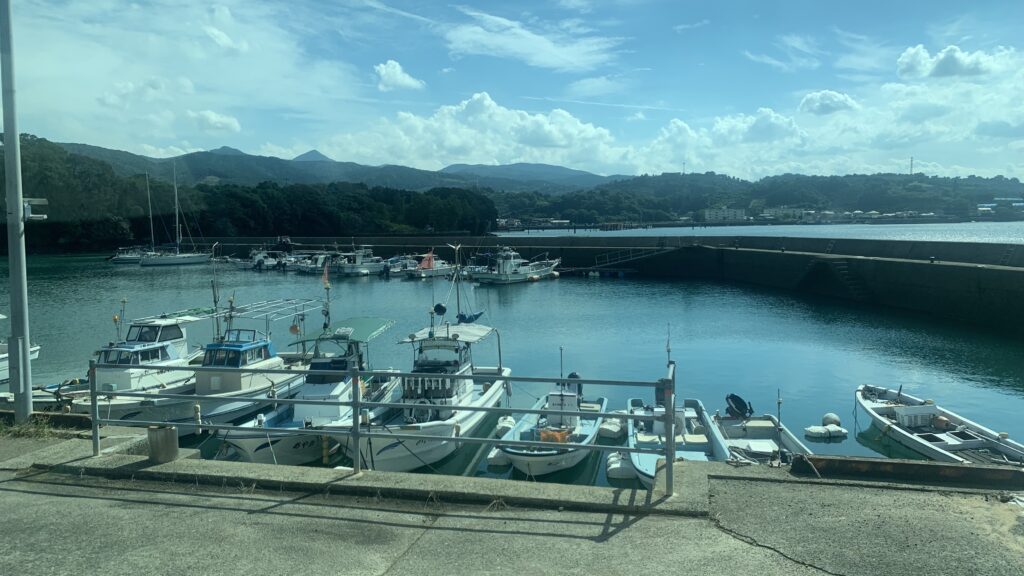
On the middle day of the conference, we visited several sites related to Minamata disease. Through this visit, I realized that the problem of mercury pollution has still not been fully resolved. Many patients continue to struggle in legal proceedings to be officially recognized as victims. Although low-level mercury exposure through fish consumption is common, many residents do not seem to be highly concerned about it. This experience strengthened my desire to contribute to this issue through an epidemiological approach.
The social gathering after the conference was stimulating. Through conversations with researchers in metallotoxicology, I gained several new perspectives. One researcher suggested that mercury might have beneficial aspects, while another said that his dream was to discover that cadmium is an essential element. These conversations made me realize that I should study mercury not only as a toxic metal, but also from broader perspectives, including its potential biological roles.